🎉 What Are Birthday Party Ideas?
Birthday party ideas are the specific choices — theme, venue, activities, food, and budget — that turn a date on the calendar into an actual event. The right idea depends less on Pinterest inspiration and more on four fixed variables: who’s being celebrated, how many people are coming, what you can realistically spend, and how much time you have to prepare.
Kids' parties average $314 nationally, with venue parties running higher than home parties
Adult celebrations average $1,185, though the median is closer to $500 — a small number of big-budget parties pull the average up
Most hosts start planning 6–8 weeks ahead for anything beyond a casual gathering
Food and drinks eat up 35–40% of most party budgets, more than decorations, venue, and entertainment combined
Sources: Party Genius AI’s 2026 analysis of 15+ national surveys; Peerspace’s 2025 survey of 1,000 adult party hosts; a What to Expect survey of 404 parents.
At a Glance
| Party Style | Typical Cost (USD) | Best For |
| Home celebration | $100–$300 | Small guest lists, flexible budgets |
| Venue-based party | $300–$800 | Kids’ parties, hands-off hosting |
| Themed or activity party | $500–$1,200 | Groups who want a cohesive experience |
| Milestone or luxury event | $1,500–$5,000+ | 30th/40th/50th birthdays, large guest lists |
📋 A Real Birthday Party Budget (With Actual Numbers)
Most planning guides tell you to pick “low, medium, or high” without saying what that means in dollars. Here’s what U.S. hosts actually spend, broken down by category, so you can build a budget instead of guessing at one.
Kids’ Parties (Ages 1–12)
1–2 years old: ~$279 average — often a small home gathering, since the birthday child won't remember it either way
3–5 years old: ~$300 average — this is when theme requests start driving decisions
6–10 years old: ~$344 average — venue parties (bounce houses, trampoline parks, bowling) become more common here
Home parties: $150–$300 all-in, including decorations, food, and a cake
Venue parties: $400–$800, usually bundling the space, some entertainment, and occasionally food into one package
Adult Parties
Median spend: $500 — this is the realistic number for a typical adult birthday
Average spend: $1,185 — skewed upward by milestone birthdays and larger events
Millennials spend the most among adult age groups, averaging around $1,411 per party
Guest count matters most: the average adult party hosts about 24 people, and every additional 10 guests can add several hundred dollars to catering alone
Where the Money Actually Goes
Food and drinks consistently claim the largest single share of any party budget — plan on $15–$25 per guest for food if you’re catering or ordering in bulk. Venue costs typically account for roughly a third of a total budget when a rented space is involved. Everything else — decorations, favors, entertainment — usually splits the remainder.
Money-saving swaps that don’t feel cheap:
Digital invitations (Evite, Paperless Post) instead of printed ones save both money and planning time
A potluck-style adult dinner cuts catering costs by more than half while adding a personal touch
Activity venues for kids under 10 often beat home parties on total value once you factor in setup and cleanup time, not just the sticker price
📅 Your Complete Planning Timeline
One timeline, start to finish — no repeated checklists to track.
8 weeks out: Set the date, pick the venue or confirm your home works, set your budget ceiling, and draft the guest list.
6 weeks out: Send invitations. Book any paid entertainment (DJ, magician, activity host) now — good vendors get booked up fast on weekends.
3 weeks out: Order the cake, confirm your food plan (catering, potluck, or DIY), and buy or make decorations.
1 week out: Confirm final headcount, check every guest’s dietary or accessibility needs, and finalize your activity schedule.
3 days out: Buy remaining supplies, confirm the cake pickup time, and build your music playlist.
Party day: Set up decorations 2–3 hours ahead, prep food, do a quick walkthrough of your activity schedule, and leave buffer time — parties almost always start 10–15 minutes later than planned.
Supply Checklist (Don’t Buy Twice)
Decor: balloons, backdrop or banner, table settings, lighting
Food: plates, cups, napkins, serving trays, drinks, the cake itself
Essentials: candles, a lighter or matches, a knife for cutting the cake
Entertainment: playlist ready to go, any game supplies, a charged camera or phone
🎨 Popular Birthday Themes That Actually Work
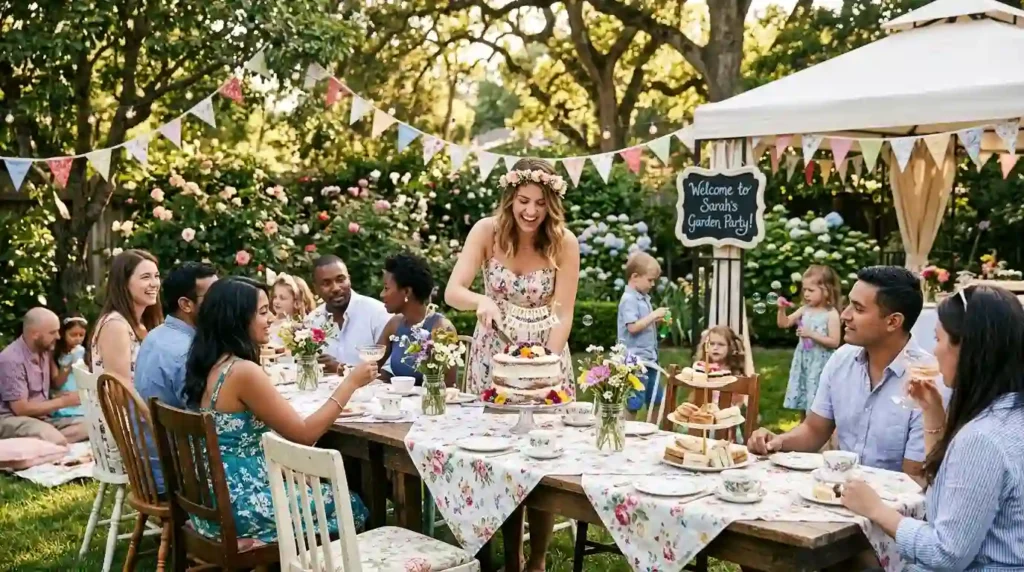
A theme earns its place when it simplifies decisions — decorations, food, and activities should all follow from it, not require separate planning.
🎬 Movie Night — Best for teens, adults, and small friend groups. Rent or borrow a projector, set up a popcorn station, and send “movie ticket” invitations. Total added cost: usually under $50 if you already own a laptop or streaming device.
✈️ Travel Theme — Works well for adults and families who want an “experience” without leaving town. Pick one or two destinations, build a food station around each, and use travel photos as decor instead of buying themed items.
🌿 Garden Party — Best for daytime adult or family gatherings. Costs stay low if you’re using a backyard or park; the main expense is fresh flowers and simple string lighting.
🏅 Sports Theme — Strong for kids and active groups. Team-based games double as the entertainment budget, cutting the need for separate paid activities.
📸 Memory Lane — Best for milestone birthdays. A photo timeline and guest message cards cost almost nothing but consistently rank as the most emotionally memorable element of adult parties, according to hosts surveyed by Peerspace.
🎂 Ideas by Age Group
👧 Kids
Interactive, low-supervision-friendly activities work best. Two that consistently succeed:
Treasure hunt: Hide 6–8 clues around the space, each leading to the next, ending at a small prize. Budget 20–30 minutes and one adult to manage pacing.
Craft station: Set up 2–3 simple projects (decorating cupcakes, making friendship bracelets, coloring masks) with enough supplies for every guest plus a few extra.
🧑 Teenagers
Teens generally prefer social, low-structure activities over organized games.
Karaoke night: A phone or laptop with a karaoke app and a speaker is enough — no rented equipment needed.
Photography session: Set up one backdrop with good lighting and let guests take their own photos; this consistently outperforms paid photo booths for teen guest satisfaction at a fraction of the cost.
🎂 Adults
Adult celebrations tend to work better around shared experiences than organized games.
Cooking or tasting event: Pick one cuisine, prep a few dishes together, and eat as a group — this scales from 4 to 20 guests without much added cost per person.
Milestone dinner: For 30th/40th/50th birthdays, a sit-down dinner with a short toast or memory-sharing round tends to outperform elaborate entertainment in guest feedback.
👪 Ideas by Relationship
For a Friend
A memory book with messages from mutual friends, a favorite-hobby-based celebration, or a surprise gathering with old friends all lean on shared history rather than spending.
For a Partner
Keep this personal rather than elaborate: a candlelit dinner at home, a favorite-meal recreation, or a private movie night usually lands better than a large event. What matters is that it reflects your specific relationship, not a generic “romantic” template.
For Family Members
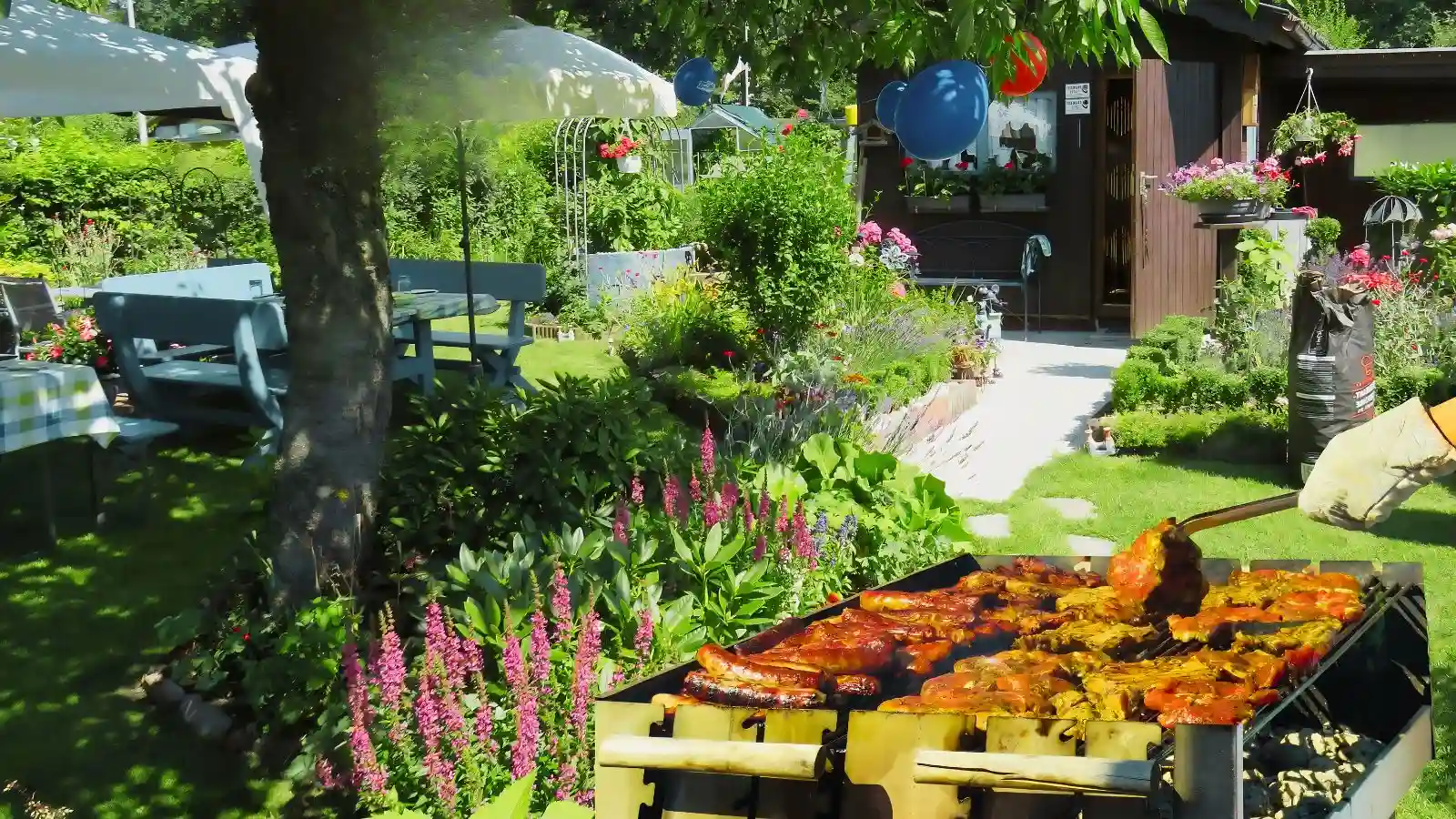
A backyard barbecue, a potluck dinner, or a photo-slideshow evening create space for every generation to participate without requiring anyone to be “entertained.”
For Coworkers
Keep workplace celebrations low-pressure: a team lunch, a shared dessert table, or a short round of appreciation notes respects that not everyone wants (or can afford) to contribute to something elaborate.
🏠 Indoor vs. 🌳 Outdoor: Choosing the Right Setting
Choose indoor when you need weather certainty, want more control over noise and space, or are hosting in colder months. Movie nights, food-experience parties, and creative workshops all translate well indoors.
Choose outdoor when your guest list is large, you want lower cleanup effort, or the season supports it. Picnics, backyard barbecues, and beach celebrations all scale more easily outdoors than indoors — but always have a rain contingency (a garage, covered patio, or nearby indoor backup) confirmed in advance, not improvised on the day.
Seasonal notes: Spring and fall favor outdoor or semi-outdoor setups with moderate temperatures; summer works for water-based activities but requires shade and hydration planning; winter celebrations generally move indoors, with warm lighting and food doing more of the atmospheric work than outdoor decor could.
🎈 Affordable Birthday Decoration Ideas
Decorations should support your theme, not compete with it. A few categories cover almost every party:
Balloons: arches or color-coordinated clusters read as more intentional than scattered single balloons
A photo backdrop: one well-lit corner with a simple backdrop does more for guest photos than decorating the whole room
Table setup: matching plates and a centerpiece are the highest-visibility, lowest-cost decoration decision you’ll make
DIY vs. buy: Handmade banners, photo displays, and table signs typically cost 60–80% less than store-bought equivalents and take under an hour to make for most hosts.
🍰 Food, Cake & Inclusive Menu Planning
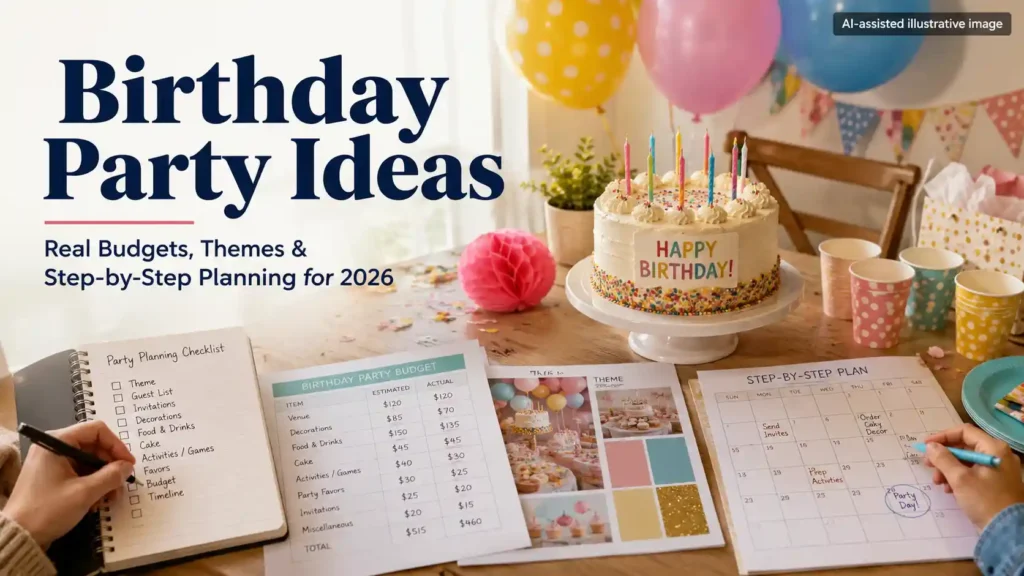
Budget $15–$25 per guest for food if you’re catering or buying in bulk — this is the single largest line item in most party budgets, so plan it first, not last.
Cake: A personalized photo cake, a themed design, or a simple cupcake tower are the three most common choices; match the style to your guest count (cupcakes scale more easily than a single sheet cake for large groups).
Menu planning by guest count:
Under 10 guests: homemade dishes or a small buffet keep costs and effort manageable
10–25 guests: potluck-style or a simple catering order reduces per-person cost significantly
25+ guests: food stations or catering with easy-serve items prevent bottlenecks
Inclusive planning matters here. Confirm dietary needs when you send invitations, not the week of the party. Offer at least one vegetarian, one allergy-conscious, and one non-spicy option at every event — this isn’t extra effort if it’s planned from the start rather than added last-minute.
🎯 Activities That Actually Get Used
Photo booth corner: One backdrop, decent lighting, and a few simple props outperform rented photo booth machines for cost-to-enjoyment ratio at most parties.
Memory-sharing activity: Set out cards where guests write a message or memory; this works for both milestone adult birthdays and family gatherings, and costs next to nothing.
Live entertainment: If your budget allows, a musician or DJ for adult parties, or a game-truck/mobile entertainer for kids, are worth the spend for groups over 20 — below that size, guest-led activities usually work just as well.
🌟 Matching the Idea to the Situation
| Situation | Best Fit | Why |
| Small family gathering | Home dinner party | Low cost, high personal touch |
| Kids’ celebration | Theme + activity party | Keeps guests engaged without heavy supervision |
| Adult milestone birthday | Dinner or shared experience | Matches what surveyed adults report valuing most |
| Limited budget | DIY home celebration | Full control over every cost category |
| Large guest list | Venue-based event | Easier logistics than scaling a home party |
| Accessibility needs in the group | Home or venue with confirmed step-free access | Confirm ahead — don’t assume a venue is accessible |
❓ Frequently Asked Questions
How much should I actually budget for a birthday party?
For kids, plan on $150–$300 for a home party or $400–$800 for a venue party. For adults, $500 is a realistic median; milestone celebrations often run $1,000–$3,000 depending on guest count and venue.
What time should a birthday party start, and how long should it last?
Kids’ parties typically run about 2.5 hours — long enough for cake, activities, and open time without losing attention. Adult parties vary more widely, but 3–4 hours is standard for a dinner or evening gathering.
How far in advance should I send invitations?
Send invitations 4–6 weeks ahead for anything beyond a casual gathering. For milestone events or weekend dates that compete with other plans, 6–8 weeks gives guests enough notice to commit.
How many guests should I invite?
There’s no universal number — it should match your venue and budget. The average adult party hosts around 24 guests; kids’ parties typically run 15–20. Every additional 10 guests meaningfully raises your food and drink costs, so set the guest count before finalizing your budget, not after.
What food should I serve, and how do I handle dietary needs?
Match the menu to your event style, and confirm allergies and dietary preferences when you send invitations. Budgeting $15–$25 per guest covers most catered or bulk-bought menus comfortably.
How can I make a party feel accessible and welcoming to every guest?
Confirm step-free access if guests use mobility aids, offer a quiet space away from loud music or games for guests who may need a break, and always include at least one alcohol-free and one allergy-conscious food option.
At what age do people typically stop having themed kids’ parties?
There’s no fixed age — it depends on the individual child’s interests. Many families shift from themed parties to activity-based or friend-hosted celebrations somewhere between ages 10 and 13, but this varies widely and should follow the child’s preference, not a rule.
🎉 Conclusion
The strongest birthday parties come from matching a realistic budget to a clear guest list and one well-executed idea — not from covering every possible theme at once. Start with the numbers (guest count, budget, timeline), pick one theme that fits your group, and spend your planning time on execution rather than option-shopping. A $200 home gathering with a clear plan will outperform an unfocused $1,000 party every time.

About Sajjad Ahmed
Sajjad Ahmed is a greeting-message researcher and content writer at WishMiz, specializing in birthday wishes, holiday greetings, relationship messages and meaningful words for important life occasions.
His work focuses on creating original, natural and easy-to-personalize messages that readers can confidently use in cards, text messages, social media posts and personal notes. He carefully considers the recipient, relationship, occasion and emotional tone to ensure each message feels relevant rather than generic or repetitive.
Before publication, Sajjad reviews his content for clarity, originality, accuracy, readability and duplication. He also studies how people communicate during different celebrations and life events to create message collections that are practical, inclusive and emotionally appropriate.
Through WishMiz, his goal is to help readers find the right words when they want to celebrate, encourage, appreciate, comfort or reconnect with someone important.
Areas of Expertise
Birthday and milestone wishes
Holiday and seasonal greetings
Friendship and relationship messages
Congratulations and appreciation notes
Farewell, sympathy and support messages
Social media captions and card wording
Message research, editing and personalization
Editorial Approach
Every article written by Sajjad Ahmed is developed with an emphasis on originality, usefulness and human connection. Messages are organized by relationship, tone and situation so readers can quickly find wording that suits their needs. Content is reviewed and updated when necessary to maintain its quality, relevance and readability.